Longteng Machinery, a professional manufacturer of slurry pumps


-
SLURRY PUMPLongteng provides reliable slurry pumping solutions for demanding mining, mineral processing and industrial applications, backed by experienced engineering, quality manufacturing and responsive technical support.

-
INDUSTRIESExplore slurry pump applications across mining, mineral processing,dredging, power generation and other demanding industries.
-
RESOURCESPractical resources, guides and case studies to help you select, operate and maintain slurry pumps.
-
ABOUT USLearn about Longteng's slurry pump expertise, manufacturing capabilities, quality control and commitment to reliable pumping solutions.
-

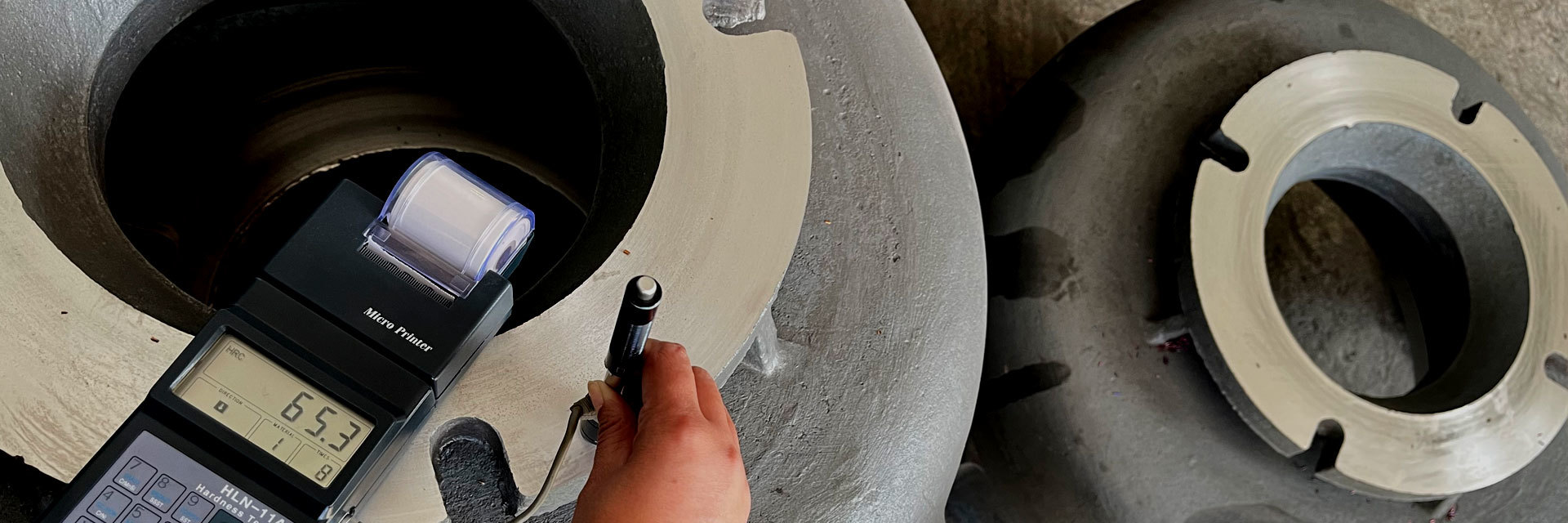
Solution
With strong manufacturing support and real application experience, we deliver practical solutions — not just pumps.
Frequently Asked Questions
Copper Mine Slurry Pump Lifetime Improved from 2 to 6 Months
Last year we supplied several sets of slurry pumps. This copper mining operation was facing serious wear problems in its slurry transport system.
The slurry contained highly abrasive particles, causing frequent failures of slurry pump wet-end parts.
The client’s biggest challenge was not only the replacement cost, but also the downtime caused by frequent maintenance.
At that time, the average service life of the pump impeller was only around 2 months.
Problem Analysis
After reviewing the operating conditions, several key issues were identified:
- High slurry density and strong abrasiveness
- Particle size larger than expected
- Existing material not suitable for actual working conditions
- Pump selection not aligned with Slurry Pump Type Selection Guide
Although the pump model itself was acceptable, the overall configuration was not optimized for real operating conditions.
Optimization Solution
Instead of replacing the entire system, a targeted optimization approach was applied:
1. Material Upgrade
Wear-resistant components were improved based on Slurry Pump Wear Parts Guide.
2. Pump Configuration Review
System layout and hydraulic configuration were adjusted using Slurry Pump Type Selection Guide.
3. Working Condition Assessment
Operating conditions were re-evaluated according to Slurry Pump Working Principle.
Result
After optimization, performance improved significantly:
- Longer service life
- Lower maintenance frequency
- Reduced operational downtime
- Better overall cost efficiency
Conclusion
In many slurry applications, the main issue is not the pump itself, but the mismatch between slurry conditions, material selection, and operating parameters.
By understanding Slurry Pump Working Principle and applying proper selection guidelines, pump lifetime and system efficiency can be significantly improved.
Last year we supplied several sets of slurry pumps. This copper mining operation was facing serious wear problems in its slurry transport system.
The slurry contained highly abrasive particles, causing frequent failures of slurry pump wet-end parts.
The client’s biggest challenge was not only the replacement cost, but also the downtime caused by frequent maintenance.
At that time, the average service life of the pump impeller was only around 2 months.
Problem Analysis
After reviewing the operating conditions, several key issues were identified:
- High slurry density and strong abrasiveness
- Particle size larger than expected
- Existing material not suitable for actual working conditions
- Pump selection not aligned with Slurry Pump Type Selection Guide
Although the pump model itself was acceptable, the overall configuration was not optimized for real operating conditions.
Optimization Solution
Instead of replacing the entire system, a targeted optimization approach was applied:
1. Material Upgrade
Wear-resistant components were improved based on Slurry Pump Wear Parts Guide.
2. Pump Configuration Review
System layout and hydraulic configuration were adjusted using Slurry Pump Type Selection Guide.
3. Working Condition Assessment
Operating conditions were re-evaluated according to Slurry Pump Working Principle.
Result
After optimization, performance improved significantly:
- Longer service life
- Lower maintenance frequency
- Reduced operational downtime
- Better overall cost efficiency
Conclusion
In many slurry applications, the main issue is not the pump itself, but the mismatch between slurry conditions, material selection, and operating parameters.
By understanding Slurry Pump Working Principle and applying proper selection guidelines, pump lifetime and system efficiency can be significantly improved.
Shijiazhuang Longteng Machinery Co., Ltd
Address: Yudi Industrial Zone, Luancheng District, Shijiazhuang City, Hebei, China.
Phone/Whatsapp:+86-15830152559
Email:info@slurrypump-hb.com


