Longteng Machinery, a professional manufacturer of slurry pumps


-
PRODUCTSOur flawless production capacity, high-quality product performance and professional pre-sale and after-sale service have won Longteng the unanimous recognition from domestic and foreign customers. Also thanks to the trust and recognition of our customers from dozens of countries and regions, we are becoming one of the most important slurry pump suppliers in China.

-
-
RESOURCES
-
ABOUT USShijiazhuang Longteng Machinery Co., Ltd. is a high-tech enterprise integrating research & development, design, production and sales of slurry pumps with more than 20 years of mature experience. On the basis of introducing and absorbing advanced foreign technologies, our factory has formed a product system with perfect performance and wide coverage, among which SH SM SHH SL SG SGH and SV series products are especially widely used, and through their practical application in metallurgy, mining, power plant, chemical industry, etc., it has been verified that these series of products have the features of reasonable product structure, stable operation, high efficiency, energy saving, long service life, etc., which can perfectly replace Warman AH M HH L G GH SP series products.
-

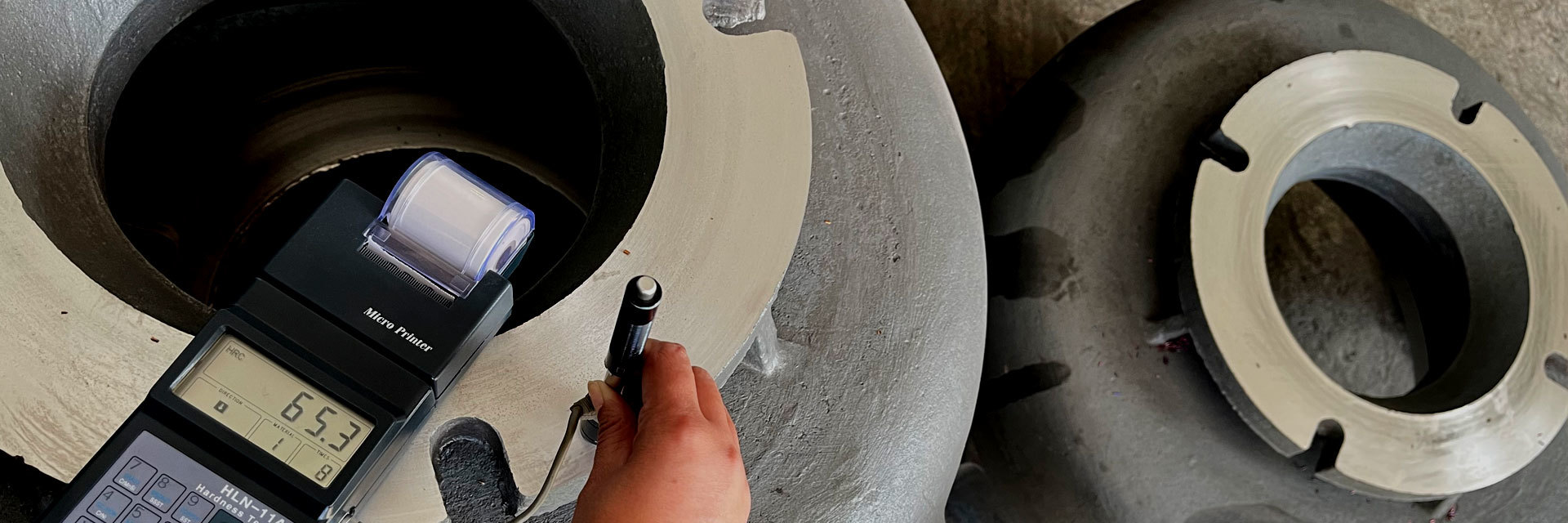
Solution
With strong manufacturing support and real application experience, we deliver practical solutions — not just pumps.
Frequently Asked Questions
How to Choose the Right Slurry Pump for Mining Applications
Mining environments involve complex slurries and continuous equipment operation. Selecting the right slurry pump can reduce wear, prevent downtime, and improve overall efficiency.
1. Understand the Working Conditions
Slurry selection depends heavily on operating conditions.
- Slurry characteristics such as concentration, particle size, and acidity/alkalinity must be evaluated.
- Flow and head requirements should include a safety margin of about 10%.
- Application scenarios include general transfer, tailings discharge, and pond dredging.
These conditions directly influence Slurry Pump Type Selection Guide.
2. Recommended Pump Types
Different applications require different pump structures.
Horizontal Slurry Pump
Horizontal slurry pumps are widely used due to their durability and wear resistance. They are suitable for mineral processing and long-distance transfer.
This type is commonly selected based on Slurry Pump Type Selection Guide.
Submersible Slurry Pump
Submersible slurry pumps operate without shaft sealing and are suitable for slurry pits and sedimentation tanks.
Selection should follow Slurry Pump Type Selection Guide.
Sand and Gravel Pump
Sand and gravel pumps are designed for coarse particles and anti-clogging performance.
Proper application requires reference to Slurry Pump Type Selection Guide.
3. Material Selection Tips
Material selection is critical for pump life and performance.
- High-Chromium Alloy: Suitable for abrasive slurry conditions.
- Rubber Lining: Suitable for fine particle slurry and moderate corrosion conditions.
- Stainless Steel: Suitable for low-concentration corrosive environments.
Material selection is often supported by Slurry Pump Wear Parts Guide.
4. Common Mistakes to Avoid
Many operational issues come from incorrect selection or system design:
- Ignoring flow and head safety margins.
- Using low-quality cast iron components that wear quickly.
- Poor pipeline design with excessive bends or mismatched diameters.
Proper design decisions should follow Slurry Pump Type Selection Guide.
5. Additional Precautions
To improve reliability and efficiency:
- Reserve 15–20% motor power margin.
- Choose pumps with replaceable wear parts for easier maintenance.
- For customized solutions, refer to Slurry Pump Working Principle.

Mining environments involve complex slurries and continuous equipment operation. Selecting the right slurry pump can reduce wear, prevent downtime, and improve overall efficiency.
1. Understand the Working Conditions
Slurry selection depends heavily on operating conditions.
- Slurry characteristics such as concentration, particle size, and acidity/alkalinity must be evaluated.
- Flow and head requirements should include a safety margin of about 10%.
- Application scenarios include general transfer, tailings discharge, and pond dredging.
These conditions directly influence Slurry Pump Type Selection Guide.
2. Recommended Pump Types
Different applications require different pump structures.
Horizontal Slurry Pump
Horizontal slurry pumps are widely used due to their durability and wear resistance. They are suitable for mineral processing and long-distance transfer.
This type is commonly selected based on Slurry Pump Type Selection Guide.
Submersible Slurry Pump
Submersible slurry pumps operate without shaft sealing and are suitable for slurry pits and sedimentation tanks.
Selection should follow Slurry Pump Type Selection Guide.
Sand and Gravel Pump
Sand and gravel pumps are designed for coarse particles and anti-clogging performance.
Proper application requires reference to Slurry Pump Type Selection Guide.
3. Material Selection Tips
Material selection is critical for pump life and performance.
- High-Chromium Alloy: Suitable for abrasive slurry conditions.
- Rubber Lining: Suitable for fine particle slurry and moderate corrosion conditions.
- Stainless Steel: Suitable for low-concentration corrosive environments.
Material selection is often supported by Slurry Pump Wear Parts Guide.
4. Common Mistakes to Avoid
Many operational issues come from incorrect selection or system design:
- Ignoring flow and head safety margins.
- Using low-quality cast iron components that wear quickly.
- Poor pipeline design with excessive bends or mismatched diameters.
Proper design decisions should follow Slurry Pump Type Selection Guide.
5. Additional Precautions
To improve reliability and efficiency:
- Reserve 15–20% motor power margin.
- Choose pumps with replaceable wear parts for easier maintenance.
- For customized solutions, refer to Slurry Pump Working Principle.


