Longteng Machinery, a professional manufacturer of slurry pumps


Shijiazhuang Longteng Machinery Co., Ltd

Leading Slurry Pump Manufacturer in China!

We deliver first-class products, reliable quality and professional service for global slurry handling solutions.

VIEW MORE
Shijiazhuang Longteng Machinery Co., Ltd

20+ Years of Slurry Pump Manufacturing Experience

Longteng is a professional slurry pump manufacturer providing reliable slurry pumps, pump parts and complete slurry handling solutions. Our product portfolio includes SH, SM, SHH, SL, SG, SGH and SV series for mining, dredging and industrial applications.

VIEW MORE
Shijiazhuang Longteng Machinery Co., Ltd

Professional Slurry Pump Manufacturer

Longteng provides reliable slurry pumps, wear-resistant parts and slurry handling solutions with advanced manufacturing capabilities and professional technical support, serving customers worldwide.

VIEW MORE

OUR PRODUCTS

Longteng specializes in the design, manufacture and supply of slurry pumps, slurry pump parts and related slurry handling products for mining, dredging and industrial applications.
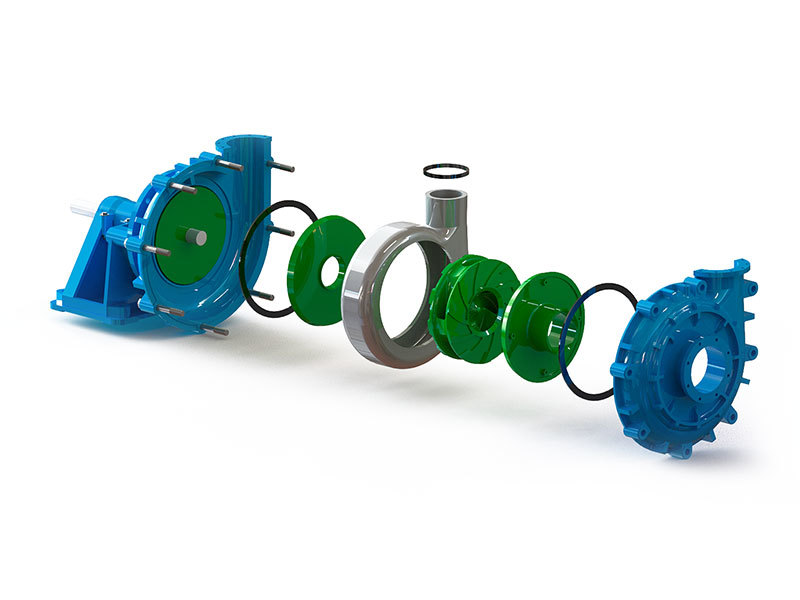
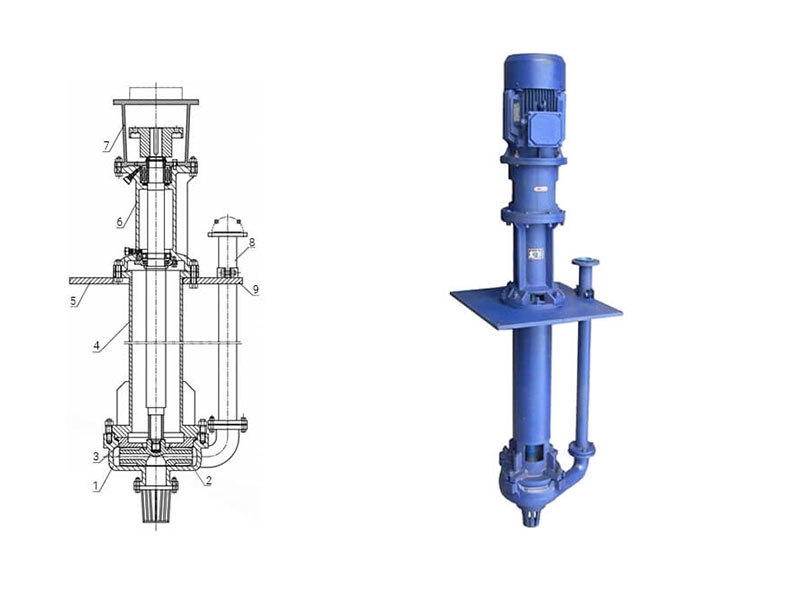
VIEW ALL PRODUCTS

OEM SLURRY PUMP MANUFACTURING SERVICES

From pump design to final production, Longteng provides complete OEM solutions for slurry pumps and pump parts.
✓ Custom Slurry Pump Design ✓ OEM Pump Manufacturing ✓ Material Customization
✓ Precision Machining ✓ Reverse Engineering ✓ Quality Testing

全部
  • 全部
  • 产品管理
  • 新闻资讯
  • 介绍内容
  • 企业网点
  • 常见问题
  • 企业视频
  • 企业图册

Need A Custom Slurry Pump?

Send us your drawings, samples or requirements.

Submit your requirements
视频标题
20 Years of

Slurry Pump Manufacturing Experience

Longteng Machinery Co., Ltd

Longteng Machinery is a professional slurry pump manufacturer specializing in the design, production and supply of slurry pumps, slurry pump parts and customized slurry handling solutions.
With more than 20 years of manufacturing experience, Longteng has developed complete production capabilities covering casting, heat treatment, machining, assembly and performance testing. Our advanced manufacturing processes and strict quality control systems ensure reliable product performance, wear resistance and long service life in demanding slurry applications.
From standard slurry pump supply to OEM manufacturing solutions, Longteng supports global customers with professional engineering assistance, customized materials, precision production and dependable after-sales service.
With a commitment to quality, innovation and customer satisfaction, Longteng continues to deliver reliable slurry handling solutions to customers worldwide.

Industries

Longteng slurry pumps serve global industries including mining, mineral processing, dredging, power generation and chemical processing, delivering reliable slurry handling solutions for challenging applications.

Mining

Heavy duty slurry pumps for mining operations, mineral processing and abrasive slurry handling.

Gold Mining

Reliable slurry pumping solutions for gold ore processing and tailings transportation.

Copper Mining

Durable slurry pumps designed for copper mining and mineral processing applications.

Coal Washing

Efficient slurry pumping solutions for coal preparation and wastewater handling.

NEWS&BLOG

Explore Longteng’s latest updates, slurry pump knowledge, industry trends and application guides covering mining, dredging and industrial slurry handling solutions.

2026-10-18

Centrifugal Pump Types: Identify the Right Equipment Category Before Requesting a Quote

Centrifugal pump types are best understood through several separate classifications: hydraulic design, stage count, shaft arrangement, installation, and intended service. A pump can belong to several categories at once. A horizontal, single-stage, end-suction slurry pump is one coherent description, not four competing choices. For a buyer, the first task is to identify the equipment category that suits the fluid and installation. Final selection then requires a flow-head duty, suction assessment, materials review, and confirmation of operating limits. A category name cannot establish those details by itself. This guide uses established industry nomenclature and a system-based selection approach. The purchasing sequence and screening examples are editorial guidance. They do not represent performance guarantees or suggest that Longteng supplies every pump type discussed.

Read More +

2026-10-18

Pump Efficiency Calculation: Separate Hydraulic, Shaft, and Electrical Power

Pump efficiency is hydraulic output power divided by mechanical input power at the pump shaft. Overall electrical-to-liquid efficiency uses electrical input as the denominator instead. These are different measurements, and confusing them can produce misleading comparisons between pumps, motors, and complete packages. For an incompressible liquid, hydraulic power is Pₕ = ρgQH. Use density in kg/m³, flow in m³/s, head in meters, and g in m/s² to obtain watts. Divide by pump efficiency to estimate shaft input, then account for the transmission, motor, and drive to estimate electrical input. This guide uses established power definitions and an independently calculated example. The assumed efficiencies and operating hours are illustrative, not Longteng test data, quoted savings, or a final motor selection. The purpose is to make each power boundary clear enough for procurement and engineering to compare the same quantities.

Read More +

2026-10-18

Centrifugal Pump Priming: Match the Startup Method to the Installation

Priming establishes the liquid-filled condition a centrifugal pump needs before it can deliver the intended flow. A conventional non-self-priming pump generally cannot remove a suction line full of air and lift liquid into itself simply by running. The correct startup method depends on whether the installation has flooded suction, suction lift with an approved priming arrangement, or a submerged wet end. Self-priming is a specific capability, not a synonym for centrifugal. Many self-priming designs still require an initial liquid charge and a suitable air-release path. A submerged inlet also does not eliminate every problem associated with trapped gas, low liquid level, or inadequate suction conditions. This guide explains the arrangements and the information buyers should confirm before selecting a pump. It draws on manufacturer descriptions of priming behavior and develops a practical review framework. It is not a universal startup procedure: valve positions, venting steps, permitted times, and auxiliary systems must follow the actual equipment documentation.

Read More +

2026-10-17

Pump System Curve: Why Valves, Pipe Size, and Liquid Levels Change Flow

A pump system curve shows the head an installation requires at different flow rates. In a simple steady system with fixed pump speed and no active regulation, the actual operating point is the intersection of that system curve and the pump's head-flow curve. Changing the system can change flow even when the pump itself is untouched. The curve is not a permanent property of the plant. Liquid levels, vessel pressures, valve positions, fouling, open branches, and fluid properties can create different curves. For selection, the useful result is often a family of system conditions rather than one nominal line. This guide focuses on interpreting those changes and turning them into a replacement or selection review. It uses established hydraulic principles and original calculated examples. The charts are teaching models, not measured Longteng curves or data from a customer installation.

Read More +

2026-10-17

Pump Affinity Laws: Estimate Speed Changes Without Misreading System Flow

For the same centrifugal pump geometry operating under suitably similar conditions, corresponding flow points scale with speed, head with speed squared, and shaft power approximately with speed cubed when density and efficiency remain comparable. These pump affinity laws are useful for estimating a revised curve. They do not guarantee that an installed system's actual flow or electrical consumption changes by those same ratios. The distinction matters when specifying a variable-speed drive, changing a belt ratio, reviewing a motor frequency, or replacing a pump. First estimate the new pump performance, then determine where that curve meets the system requirement and check all operating limits. This guide explains the equations and their boundaries with independently calculated examples. The technical basis is established similarity theory and industry guidance on variable-speed pumping. No numerical example represents a Longteng model, a tested performance curve, or an approved operating-speed change.

Read More +

2026-10-17

Pump Best Efficiency Point: Choose for the Operating Range, Not One Peak Number

A pump's best efficiency point, or BEP, is the flow and head at which its efficiency is highest for a specified configuration and speed. It is a useful reference for selection and operating review. It is not necessarily the point where the installed system runs, and it is not the complete boundary of acceptable operation. The practical question is how the expected duty range sits relative to BEP and the manufacturer's preferred and allowable operating regions. A pump with a high peak efficiency can still be a poor selection if the process spends most of its time at a different condition or violates suction, power, or slurry-transport limits. This guide uses industry definitions of BEP and operating regions, together with original purchasing examples. Numerical efficiencies and operating schedules are explicitly hypothetical. They illustrate comparison methods and should not be read as Longteng test results, service-life predictions, or universal acceptance limits

Read More +

Who we are

Longteng specializes in slurry pumps, pump parts and OEM solutions, delivering reliable slurry handling products and professional support for global industries.

Submit