Longteng Machinery, a professional manufacturer of slurry pumps


-
SLURRY PUMPLongteng provides reliable slurry pumping solutions for demanding mining, mineral processing and industrial applications, backed by experienced engineering, quality manufacturing and responsive technical support.

-
INDUSTRIESExplore slurry pump applications across mining, mineral processing,dredging, power generation and other demanding industries.
-
RESOURCESPractical resources, guides and case studies to help you select, operate and maintain slurry pumps.
-
ABOUT USLearn about Longteng's slurry pump expertise, manufacturing capabilities, quality control and commitment to reliable pumping solutions.
-

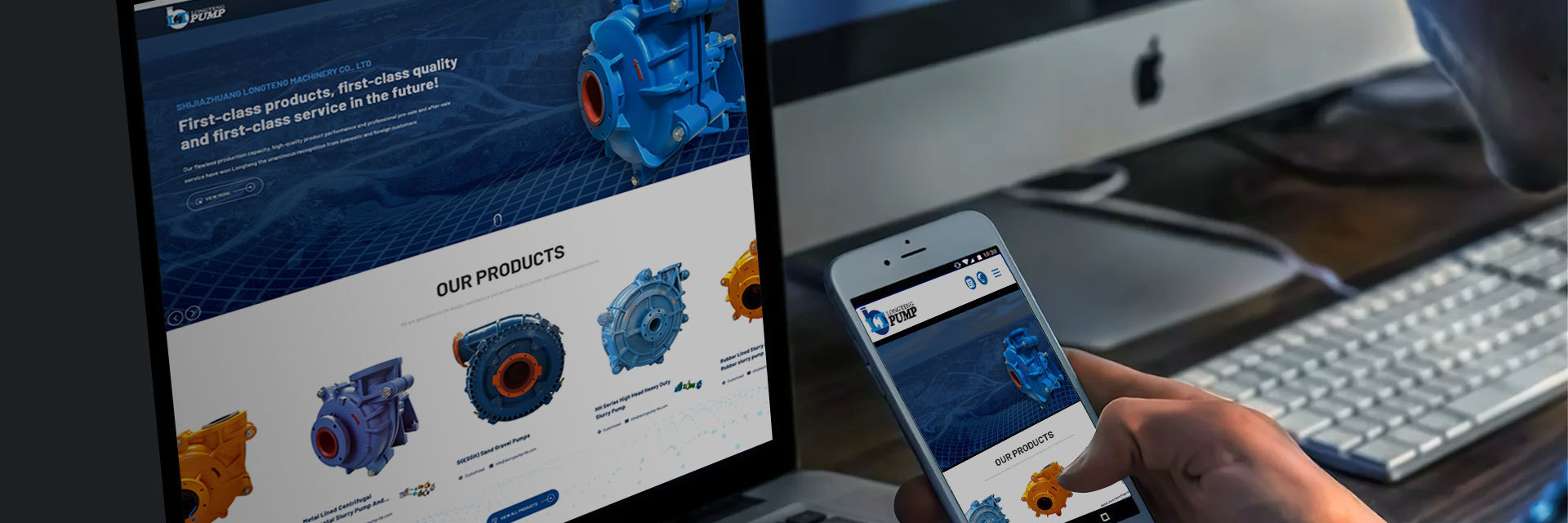
The Importance of Wear Resistance in Slurry Pump Applications
Time:
2026-09-07
This article explains the importance of wear resistance in slurry pump applications. Learn how materials, components and design improvements help slurry pumps handle abrasive conditions and achieve longer service life.
Introduction
Slurry pumps are widely used in mining, mineral processing, dredging and industrial applications where abrasive mixtures need to be transported continuously.
Unlike standard water pumps, slurry pumps handle fluids containing solid particles such as ore, sand, minerals and other abrasive materials. During operation, these particles create continuous impact and friction on internal pump components.
Therefore, wear resistance in slurry pump applications is one of the most important factors affecting equipment reliability, maintenance frequency and overall operating costs.
By selecting suitable materials and optimizing pump design, operators can improve service life and maintain stable pumping performance in challenging working conditions.
Why Wear Resistance Matters in Slurry Pump Applications
Slurry pumps often operate under demanding conditions, including:
- High solid concentration
- Abrasive particles
- Continuous operation
- Heavy-duty pumping cycles
Without sufficient wear resistance, pump components may experience:
- Rapid material loss
- Reduced hydraulic performance
- Increased maintenance frequency
- Unexpected production interruptions
A pump with strong wear resistance can maintain performance for longer periods and reduce the need for frequent component replacement.
Main Causes of Slurry Pump Wear
Abrasive Particle Impact
Solid particles carried by slurry continuously impact internal surfaces.
Larger or harder particles can accelerate damage to:
- Impellers
- Liners
- Throat bushes
- Other wet-end components
High Slurry Concentration
Higher concentrations of solids increase contact between slurry particles and pump surfaces.
This creates greater abrasion and requires components with improved wear resistance.
High Operating Speed
Pump speed directly affects slurry velocity.
Higher velocity increases impact force and may accelerate component erosion if materials are not properly selected.
Key Slurry Pump Components Requiring Wear Resistance
Slurry Pump Impeller
The impeller is one of the most critical rotating components in slurry pumps.
During operation, the impeller is continuously exposed to abrasive slurry flow, which can cause:
- Blade erosion
- Reduced thickness
- Loss of hydraulic efficiency
Using a durable slurry pump impeller helps maintain stable performance and extend operating intervals.
Slurry Pump Liners
Pump liners protect the casing from direct contact with abrasive slurry.
They are designed to withstand:
- Particle impact
- Continuous erosion
- High-density slurry conditions
High-quality liner materials can significantly improve pump durability and reduce maintenance requirements.
Other Wear Parts
Additional components affected by abrasion include:
- Throat bush
- Wear plate
- Expeller ring
- Shaft sleeve
The service life of these parts depends on slurry characteristics, operating conditions and material selection.
Materials Used to Improve Slurry Pump Wear Resistance
Different applications require different material solutions.
Common wear-resistant materials include:
High Chrome Alloy
High chrome alloy is widely used for slurry pump wet-end components because of its:
- High hardness
- Good abrasion resistance
- Long service life in abrasive applications
Natural Rubber
Rubber components are often suitable for applications involving:
- Fine particles
- Lower impact conditions
- Corrosive slurry environments
Rubber provides excellent abrasion resistance in specific operating conditions.
Advanced Material Selection
Choosing the correct material requires consideration of:
- Particle size
- Slurry concentration
- Chemical properties
- Pump operating conditions
Proper material selection is essential for achieving the best balance between wear resistance and operating efficiency.
How Wear Resistance Improves Pump Performance
Longer Component Service Life
Wear-resistant components reduce the replacement frequency of critical parts.
This helps operators:
- Reduce maintenance workload
- Improve equipment availability
- Lower operating costs
Stable Pump Efficiency
Excessive wear changes internal pump geometry.
This may result in:
- Reduced flow capacity
- Lower pressure performance
- Increased energy consumption
Maintaining component condition helps preserve original pump performance.
Reduced Downtime
Unexpected failures can interrupt production schedules.
Improved wear resistance allows maintenance teams to plan inspections and replacements more effectively.
Factors Affecting Slurry Pump Wear Life
Slurry Characteristics
Wear rate depends on:
- Particle hardness
- Particle size
- Solid concentration
- Material composition
Operating Conditions
Important factors include:
- Pump speed
- Flow rate
- Pressure requirements
- Continuous running hours
Pump Design
Hydraulic design and component structure also influence wear performance.
Optimized designs help reduce unnecessary turbulence and improve material durability.
The Future Development of Wear Resistant Slurry Pumps
As mining and industrial operations continue to demand higher efficiency, slurry pump technology is developing toward:
Improved Materials
New material technologies continue to improve:
- Abrasion resistance
- Component durability
- Operating reliability
Better Hydraulic Design
Advanced designs aim to:
- Reduce energy consumption
- Improve flow performance
- Minimize internal wear
Longer Maintenance Intervals
Operators increasingly require equipment that provides:
- Longer service life
- Lower maintenance costs
- More predictable operation
Conclusion
Wear resistance is a key factor determining the reliability and efficiency of slurry pumps in abrasive applications.
From impellers and liners to other wet-end components, selecting suitable materials and designs can significantly improve pump service life.
For mining, mineral processing and dredging operations, investing in a wear resistant slurry pump solution helps maintain stable production and reduce long-term maintenance requirements.
Key word:
Slurry Pump Wear Resistance,Wear Resistant Slurry Pump,Slurry Pump Materials,Slurry Pump Components
Related Reading
Leave us a message
If you are interested in our products, please leave your email and we will contact you as soon as possible. Thank you!
Shijiazhuang Longteng Machinery Co., Ltd
Address: Yudi Industrial Zone, Luancheng District, Shijiazhuang City, Hebei, China.
Phone/Whatsapp:+86-15830152559
Email:info@slurrypump-hb.com


